Imagining an Art Market Beyond Investment
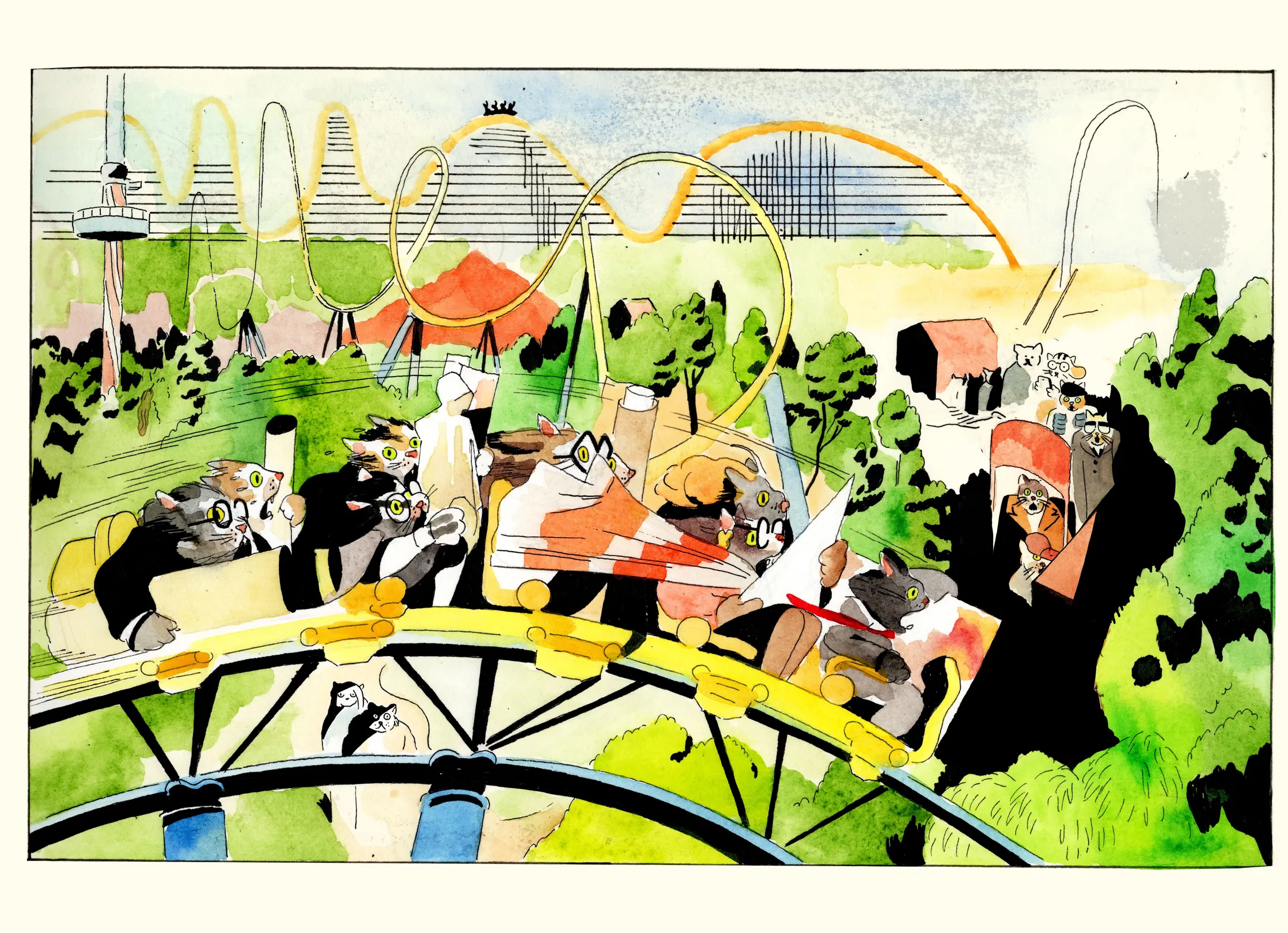
What might an art market look like if it were uncoupled from the logic of pure investment? Treating a work of art as an asset is a precarious game. Instead of judging a piece by its auction performance or decorative appeal, what if its significance were perceived as something more intrinsic, more essential?
What would the art market look like beyond the logic of investment?
Buying an artwork as a financial instrument is a precarious game. Instead of judging a piece by its auction performance or its purely decorative qualities, what if its significance were perceived as something more intrinsic, more essential?
In May 2022, the Belgian artist Albert Willem made a spectacular secondary market debut. His painting, The Beach Promenade, sold for £100,800, ten times its low estimate. That same year, 21 of his works appeared at auction; of those, 19 exceeded their estimates by an average of 879%.
Two years later, his market had all but collapsed. Two paintings offered at auction in Vienna, with estimates of just €2,000–€3,000, went unsold.
This case demonstrates how volatile contemporary art can be when treated as a pure asset. The value of a work often rests on the perception that ‘it is worth something because others believe it is worth something.’ When the buyers who sustain that belief disappear, the market can unravel with alarming speed.
Headlines trumpeting spectacular auctions and artists' meteoric rises often obscure a simpler truth: most art will not appreciate in value. Much of it is more likely to depreciate. As the journalist Scott Reyburn has noted, in the contemporary art world, most people are not really talking about art; they are talking about names and numbers.
Many in the art world greet the idea of art-as-investment with an almost moral discomfort. The standard advice remains: ‘Buy what you love.’ Today, as the contemporary art market finds itself at something of an impasse, its credibility as an investment class looks increasingly fragile.
A simple answer would be for people to once again start buying works they want to live with. Collecting could become less a promise of financial return and more a matter of aesthetic enjoyment, personal cultivation, or the accumulation of cultural capital.
But there is a deeper possibility: a return to the idea that a work's significance is not contingent on its resale value. In the early 20th century, the great dealer Joseph Duveen sold masterpieces to collectors such as JP Morgan, Andrew Mellon, and John D. Rockefeller Sr. His biographer observed that Duveen managed to instil in them the idea that art is more important than money—that in paying for something which touches the infinite with finite means, one is, in fact, getting a bargain.
This perception is less common today, but it has not vanished. In quieter segments of the market—for older art, rare books, antiques, and historical objects—connoisseurship and a genuine love for the item often override investment logic. Buyers in these fields are moved less by the prospect of a quick resale than by authentic interest.
The example of collectors who choose to donate works to museums rather than liquidate them is instructive. Brian Kennedy and Peter Ting are in the process of donating their collection of 140 works, including ceramics and other objects, to 13 museums across the United Kingdom. As they put it, if they were buying and selling, they would be dealers, not collectors. Their collection was built around what they loved, not a projected return.
Similarly, Charles Asprey donated 67 works to the Pier Arts Centre in Scotland, resisting the more common temptation to consign them to auction. For him, a country that might one day be admired for contemporary art collections quietly assembled and gifted to public institutions would have bequeathed an exceptionally meaningful cultural legacy.
Moving past art as an asset class could lead to a more considerate, more substantive form of collecting. In the art market, as elsewhere, what goes up can also come down. When an investment bubble bursts, what remains is the work itself. The collector is then challenged to understand it, enjoy it, and live with it.
The question is whether the market can truly shift from an obsession with returns towards a culture of knowledge, quality, and a meaningful engagement with the art. It is a beautiful idea, perhaps a romantic one. Nevertheless, it is this very idea that might restore a deeper purpose to the art market, beyond the names, the numbers, and the auction results.
Source: Ocula